In 2026, the global dropshipping market is projected to surpass $196 billion, yet many entrepreneurs still stumble at the starting line due to a common misconception: that setting up a Shopify dropshipping store is a passive income stream that requires minimal effort. The reality is far more nuanced. To start a Shopify dropshipping store successfully, one must navigate a complex landscape of product selection, store optimization, and traffic generation. This article will unravel the intricacies of dropshipping on Shopify, offering a step-by-step guide tailored for beginners.
In the ever-evolving landscape of e-commerce, dropshipping has emerged as a compelling business model due to its minimal initial investment and operational simplicity. Unlike traditional retail, where businesses purchase inventory upfront, dropshipping allows entrepreneurs to sell products without ever handling them physically. Instead, when a customer places an order, the product is purchased from a third-party supplier who ships it directly to the customer.
This model is particularly attractive to beginners because it eliminates the need for significant capital and inventory management, which can be daunting and costly. Suppliers play a critical role in this process, as they are responsible for stocking, packaging, and delivering the products, allowing store owners to focus on marketing and customer service. The low startup costs and the absence of inventory risks make dropshipping an ideal entry point for aspiring online retailers.
To set up a dropshipping store on Shopify, the first step is creating a Shopify account, which involves choosing a plan that suits your business needs and providing necessary business information. Once your account is active, you can begin setting up your store by selecting a theme and customizing it to reflect your brand’s identity. Integrating dropshipping apps, such as Oberlo or DSers, is crucial for automating product imports and order fulfillment. These apps connect your store to a vast network of suppliers, streamlining the process of adding products to your store with just a few clicks.
Selecting a niche is another critical step. A well-defined niche not only narrows your target audience but also enhances your store’s visibility in a saturated market. For example, targeting eco-friendly products could appeal to environmentally conscious consumers. Finding reliable suppliers is equally essential; evaluating suppliers based on delivery times, product quality, and customer service can prevent potential pitfalls. A common challenge new dropshippers face is managing supplier reliability, which can directly impact customer satisfaction and store reputation. However, thorough research and testing before committing to a supplier can mitigate these risks.
Shopify stands out as a premier platform for dropshipping due to its robust ecosystem of apps and user-friendly interface. Among the popular dropshipping apps available on Shopify are Spocket, Oberlo, and AliExpress Dropshipping. Each app offers unique features, such as automated order processing, product customization, and supplier vetting, which enhance store functionality and efficiency. For instance, Spocket provides access to US and EU-based suppliers, allowing for faster shipping times compared to overseas suppliers.
When choosing a dropshipping app, look for features like real-time inventory updates, order tracking, and seamless integration with your store. Evaluating app reviews and support options is also crucial; apps with high ratings and responsive customer support often signal reliability and user satisfaction. For example, a user might notice a significant improvement in operational efficiency after switching to an app with better customer support and more reliable supplier networks. This shift can lead to faster order fulfillment and better customer experiences.
By carefully selecting the right tools and suppliers, aspiring dropshippers can effectively harness Shopify’s capabilities to build a profitable online store. The strategic use of these resources not only simplifies the setup process but also positions the store for long-term success.
Starting a Shopify dropshipping store involves several critical steps that ensure your store is both professional and user-friendly. With over 4.4 million websites using Shopify as of 2025, creating a standout store is essential for attracting and retaining customers. Here’s a step-by-step guide to help you set up your store from scratch.
Optimizing your product listings is crucial for increasing conversions. Effective SEO techniques and persuasive copywriting can significantly enhance product visibility.
Start with thorough keyword research for product titles and descriptions. Use tools like Google Keyword Planner to identify terms with high search volumes. Incorporate these keywords naturally into your product titles and descriptions to improve search engine ranking.
Writing compelling product descriptions is an art. Focus on the benefits of the product, addressing potential customer pain points. For instance, instead of merely listing features, explain how a product solves a specific problem. Use bullet points for clarity and readability.
High-quality images and videos are non-negotiable. Products with professional images receive 94% more views. Consider using lifestyle images that show the product in use, which can help customers envision themselves using it. Additionally, product videos can increase engagement by up to 80%, offering dynamic views of the product.
Implementing effective SEO strategies is vital for driving organic traffic to your Shopify store. Start by optimizing your site’s meta tags—title tags and meta descriptions should include primary keywords and be enticing enough to encourage clicks.
Alt text for images is another essential element. It not only helps with SEO but also improves accessibility for visually impaired users. Ensure that alt text is descriptive and keyword-rich.
Site speed and mobile responsiveness are critical factors in SEO. A site that loads in under three seconds sees significantly higher engagement. Use Shopify’s built-in tools to analyze and enhance site speed. Moreover, since Google prioritizes mobile-friendly sites, ensure your store performs well on smartphones and tablets.
Social media platforms are powerful tools for building brand awareness and engaging with potential customers. Identifying the right platforms is the first step; for e-commerce, Instagram and Facebook are often the most effective due to their visual nature.
Create engaging content tailored to each platform. On Instagram, for example, use visually appealing posts and stories to showcase products. Engage with your audience through polls and questions to increase interaction.
Social media advertising can significantly enhance your reach. Platforms like Facebook offer detailed targeting options, allowing you to reach specific demographics. A well-targeted ad campaign can boost your store’s traffic by up to 50%, effectively broadening your customer base.
By following these detailed steps and strategies, you can establish a Shopify dropshipping store that not only attracts visitors but converts them into loyal customers.
Identifying winning products is crucial for the success of a Shopify dropshipping store, as it directly impacts profitability and customer satisfaction. According to 2025 data from e-commerce analyses, products with a 30% profit margin and a shipping time of less than seven days tend to perform remarkably well in this competitive landscape. To find these products, leveraging both paid and organic marketing strategies is essential.
Social media marketing plays a significant role in enhancing brand visibility. Platforms like Instagram and TikTok allow businesses to showcase their products to millions of potential customers. A well-executed campaign can increase engagement rates by up to 35%, leading to higher conversion rates. Email marketing is another powerful tool, contributing to customer retention by keeping your audience informed about new arrivals and promotions. It has been shown that email marketing can provide a return on investment (ROI) of up to 4200%, making it a cost-effective strategy for maintaining customer loyalty.
Influencer partnerships can also drive brand growth. Collaborating with influencers who align with your product niche can expand your reach exponentially. For instance, a lifestyle influencer sharing your product with their 100,000 followers could result in a significant increase in traffic and sales. However, it’s essential to choose influencers whose audience matches your target market to maximize effectiveness.
To effectively implement these strategies, start by defining clear marketing goals and allocate budgets accordingly. Use analytics tools to track performance and optimize campaigns. By doing so, you can strategically position your store in the market, ensuring a steady influx of customers.
Planning a successful social media campaign begins with thorough research and validation of potential dropshipping products. Start by identifying trending items using platforms like Google Trends and social media insights, which highlight products gaining popularity. Once identified, validate these products by analyzing competitors’ strategies and customer reviews to gauge demand and satisfaction.
Setting measurable goals is crucial for tracking the campaign’s success. Define key performance indicators (KPIs) such as engagement rates, click-through rates, and conversion rates. For example, a campaign aiming for a 20% increase in website traffic should specify the timeframe and the target audience to ensure precise evaluation.
An example of a successful strategy is the use of user-generated content (UGC) campaigns. By encouraging customers to share photos of themselves using the product, you create authentic content that resonates well with potential buyers. A beauty brand employing this tactic saw a 50% increase in engagement and a notable boost in sales within a month.
To conclude, continually assess and refine your strategies based on performance data. This iterative approach allows you to adapt to market trends and maintain a competitive edge.
Setting up profiles and using proxies with Genlogin can significantly enhance account integrity for e-commerce platforms. Begin by creating distinct profiles for each platform you intend to use, such as eBay, Amazon, or Etsy. This separation helps in managing multiple accounts without overlap, reducing the risk of account suspension.
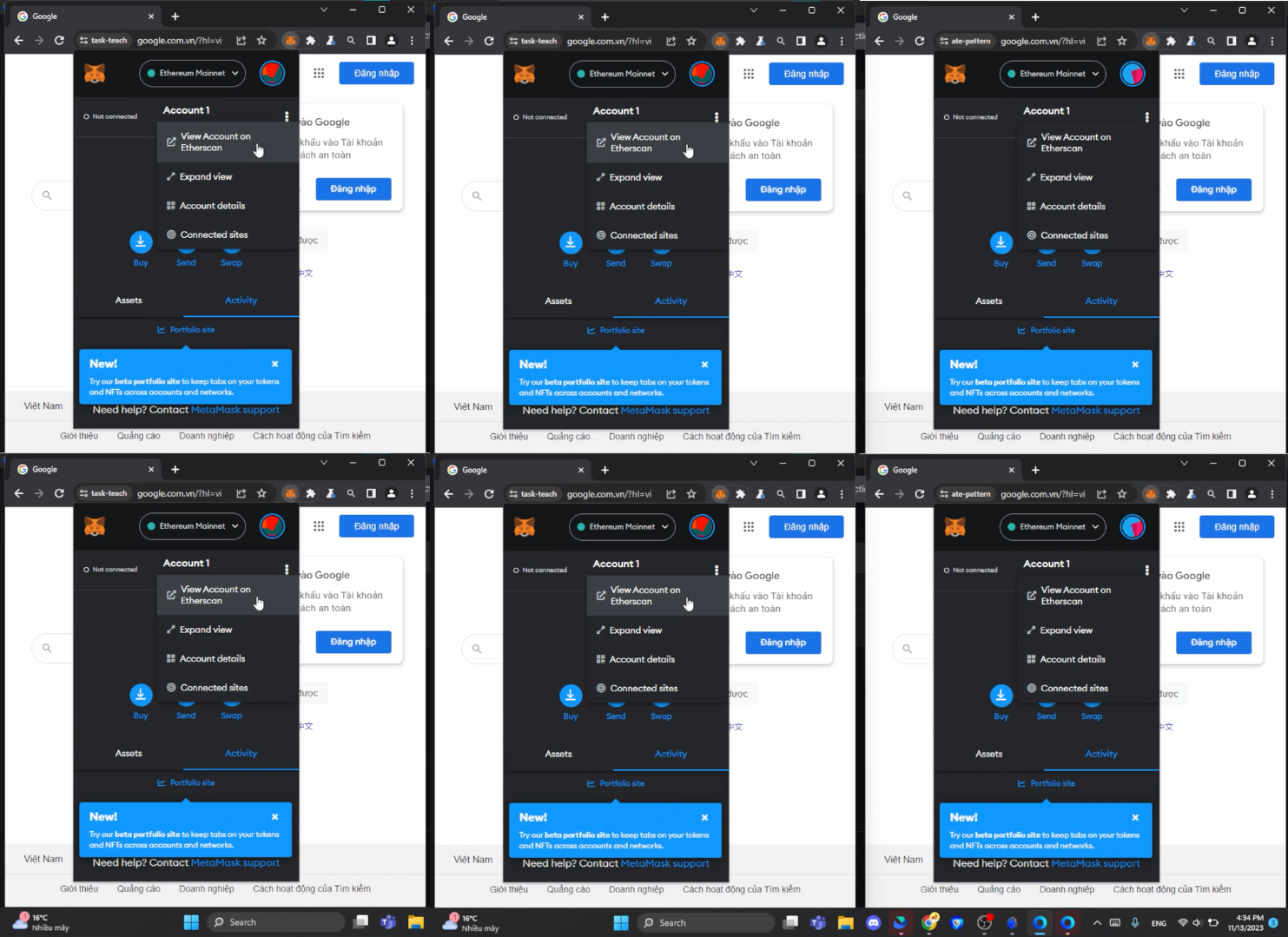
Using proxies is essential to avoid detection and maintain anonymity. Proxies act as intermediaries between your computer and the internet, masking your IP address. By employing a reliable proxy service, you can switch IPs regularly, thus minimizing the risk of being flagged by platforms for unusual activity.
When configuring Genlogin settings, ensure optimal performance by selecting the “Forward” option in WebRTC settings and setting all advanced configurations to “Noise.” This setup ensures the deepest level of profile anonymity, preventing detection by sophisticated tracking systems.
For optimal results, regularly update your profiles and proxies to align with the latest security protocols. This proactive approach not only safeguards your accounts but also ensures uninterrupted operations, allowing you to focus on scaling your dropshipping business effectively.
In the fast-paced world of e-commerce, managing multiple accounts securely is a common challenge. Dropshippers often juggle platforms like eBay, Amazon, and Etsy, where account bans can severely impact business. Genlogin emerges as a vital tool, offering a streamlined solution for managing these accounts. By creating unique profiles and utilizing advanced proxy settings, Genlogin ensures that each account operates independently, reducing the risk of being flagged or banned. This tool’s robust security features, such as WebRTC forwarding and noise configuration, mimic real user behavior, offering an extra layer of protection. For instance, a dropshipper managing accounts across multiple platforms can use Genlogin to maintain separate identities, resulting in smoother operations and minimized downtime. The ability to quickly set up profiles and integrate proxies allows users to adapt swiftly to changing market conditions. Dropshippers should leverage Genlogin to safeguard their accounts, ensuring continuous and secure operation, which is crucial for scaling their business efficiently.
Clear communication is crucial for managing customer expectations in the dropshipping business. Providing accurate shipping times on your product listings helps prevent misunderstandings and enhances customer satisfaction. For example, if shipping typically takes 10-15 days, explicitly state this to ensure customers are aware before purchasing. Furthermore, transparent return policies foster trust and loyalty. By detailing the return process, including timeframes and conditions, customers can make informed decisions, reducing potential disputes. Handling customer inquiries promptly and professionally is another vital aspect. When a customer inquires about a delayed shipment, responding swiftly with a detailed update can turn a potentially negative experience into a positive one. By adopting these strategies, dropshippers can maintain high levels of customer satisfaction and loyalty, ultimately boosting conversion rates and fostering long-term business growth.
Dropshippers often face challenges such as supplier reliability and shipping delays, which can impact customer satisfaction. To mitigate these issues, maintaining strong relationships with suppliers and having backup suppliers can ensure a steady flow of products. Additionally, clear communication with customers regarding potential delays is essential. SEO plays a pivotal role in gaining organic traffic and standing out in a saturated market. By optimizing product titles and descriptions with relevant keywords, dropshippers can improve their store’s visibility in search engine results. For example, using long-tail keywords specific to your niche can attract more targeted traffic. Moreover, creating high-quality content, such as blog posts or videos related to your products, can further enhance your store’s SEO performance. To handle competition, continuously analyze competitors’ strategies and adjust your offerings accordingly. By implementing these SEO strategies, dropshippers can increase organic traffic and improve their store’s performance in a competitive landscape.
Starting a Shopify dropshipping store can be a lucrative venture, but it is not without its challenges. According to recent industry data, over 30% of new dropshippers encounter significant issues with customer management and supplier relations within their first year. Addressing these challenges effectively is crucial to maintaining customer satisfaction and ensuring long-term success.
One of the most critical challenges in dropshipping is managing customer expectations, particularly concerning shipping times. In 2025, the average shipping time for dropshipping products from overseas suppliers was reported to be between 15 to 30 days. This can lead to customer dissatisfaction if not managed properly. The key to mitigating this issue lies in transparent communication. Dropshippers need to set clear expectations on their product pages regarding shipping times and potential delays.
Consider a scenario where a Shopify store specializing in tech gadgets clearly states a 20-25 day shipping window on its website. By doing this, the store reduces the number of customer complaints about shipping delays and decreases refund requests by approximately 20%. Furthermore, providing tracking information can enhance customer trust and satisfaction. To improve this aspect, dropshippers should regularly update their store policies and ensure that customer service teams are well-informed to address queries promptly.
Another significant challenge is handling returns, refunds, and supplier-related issues. A 2024 study revealed that nearly 22% of dropshipping businesses faced issues with supplier reliability, impacting their ability to process returns and refunds efficiently. The complexity arises because dropshippers often rely on suppliers to handle these processes, which can lead to delays and complications.
For instance, consider a clothing dropshipping store that partners with a supplier who has a history of delayed shipments. The store might experience a higher return rate due to incorrect or damaged items. To tackle this, the store can implement a strategy where they work closely with multiple suppliers to ensure product quality and timely deliveries. This approach not only reduces dependency on a single source but also provides flexibility in managing inventory and returns. Additionally, setting up a straightforward return policy and using automated tools for tracking and managing returns can streamline operations and enhance customer satisfaction.
An actionable recommendation for dropshippers is to establish strong relationships with reliable suppliers and to have a contingency plan in place. This could involve identifying secondary suppliers that can fulfill orders in case of primary supplier issues. By diversifying their supplier base, dropshippers can mitigate risks associated with single-source dependencies and ensure a more stable supply chain.
Navigating the world of Shopify dropshipping can initially seem daunting, yet understanding its core principles—such as minimal initial investment and operational simplicity—reveals its potential. This article has guided you through the essential steps to start a Shopify dropshipping store, emphasizing the importance of identifying winning products, which is crucial for profitability. With over 4.4 million websites utilizing Shopify, optimizing your store to drive traffic and sales becomes imperative. We’ve also addressed common challenges that over 30% of new dropshippers face, providing practical solutions to ensure your venture is successful.
Knowing what to do is one thing, but having the right tools to execute it effectively is another. This is where Genlogin can be your game-changer. Dropshippers often juggle multiple platforms like eBay, Amazon, and Etsy, and managing these securely is critical. Genlogin’s advanced features, such as creating unique profiles to prevent account bans, directly address these challenges, ensuring your accounts stay active and secure.